
Water Damage Restoration Cost in Baltimore: What Drives the Price
Professional water damage restoration in the Baltimore metropolitan area typically ranges between $1,200 and $5,000 for standard residential losses, with reported regional projects averaging $2,753. Square-footage rates average $2.25 to $5.40 per sq. ft. for water extraction and structural drying, while standard technician labor runs $30 to $140 per hour. Costs are driven by water contamination category, square footage, drying duration, and reconstruction requirements.
Baltimore Regional Cost Benchmarks and Planning Ranges
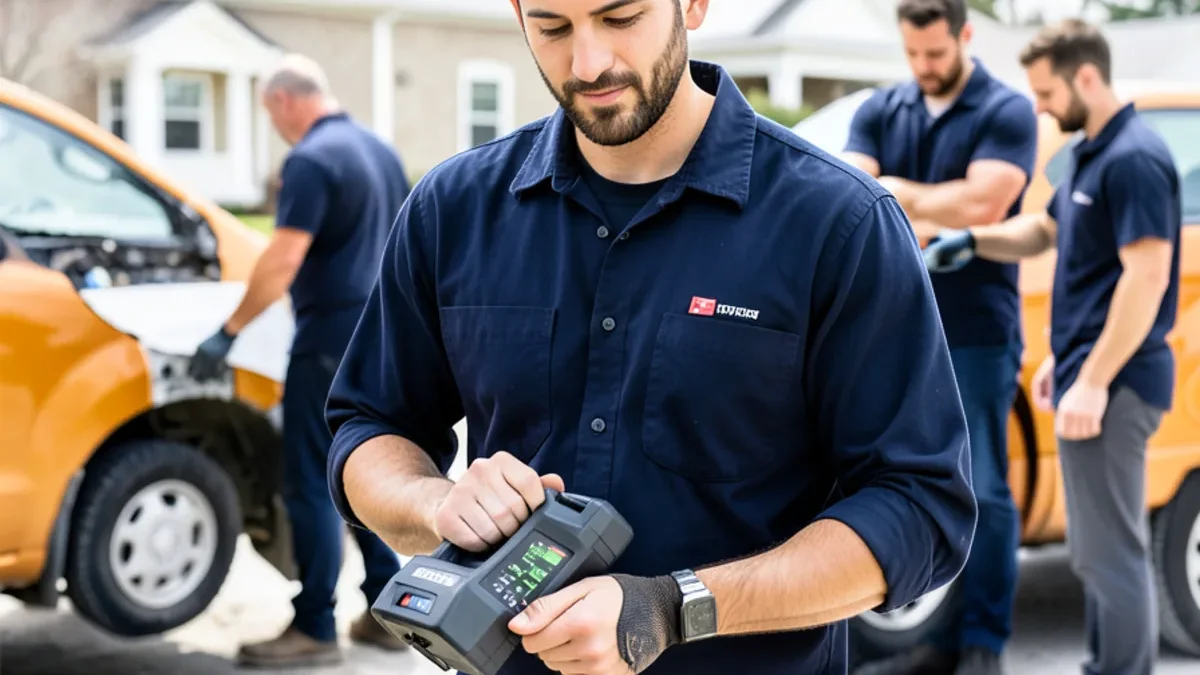
When water intrudes into a Baltimore home, homeowners need realistic planning figures rather than vague estimates. Industry data shows that typical residential water mitigation in Baltimore City and Baltimore County averages approximately $2,753, with minor clean-water losses starting around $778 and complex multi-room Category 3 sewage backups exceeding $4,727. For emergency water extraction and mechanical structural drying, published planning rates in Maryland range from $2.25 to $5.40 per square foot, with standard hourly restoration labor billed between $30 and $140 per hour depending on labor trade classifications.
Primary Cost Driver 1: Water Contamination Category
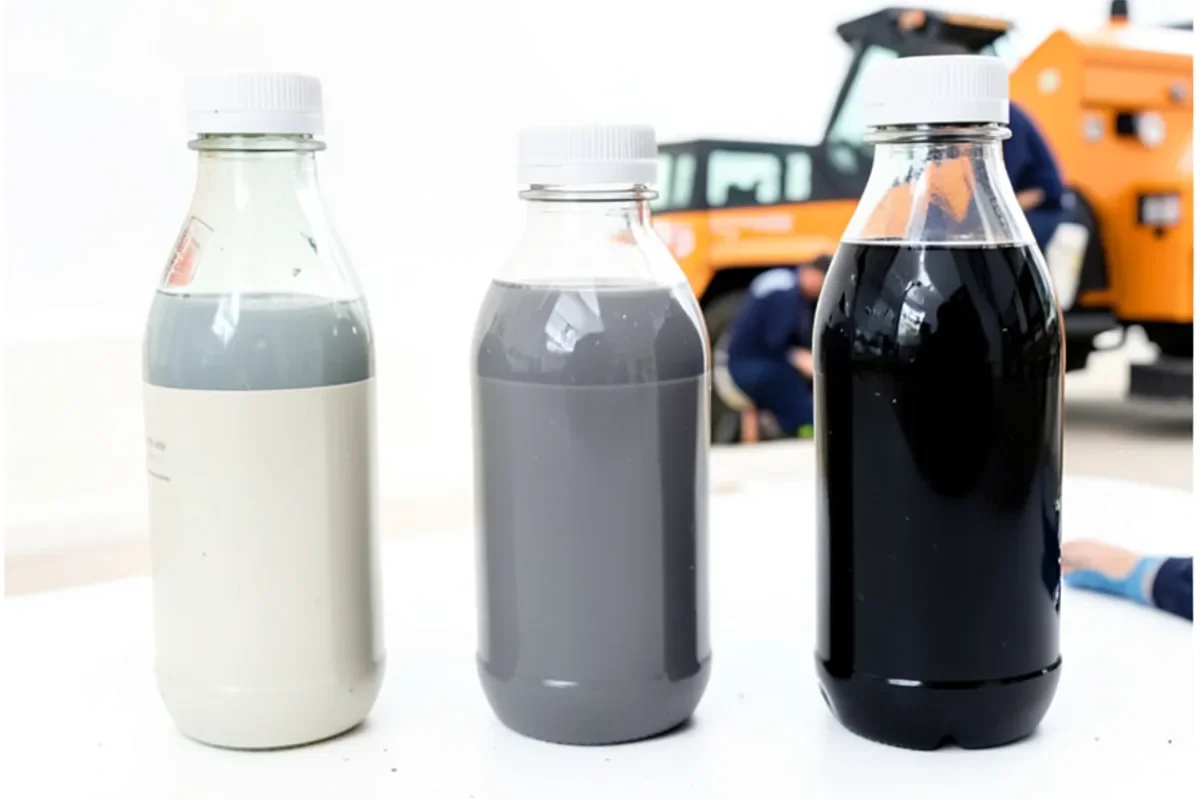
The single greatest factor governing water restoration cost is the contamination category under ANSI/IICRC S500 guidelines. Category 1 (clean supply water from a burst pipe or fixture) is the least expensive to remediate because materials can often be dried in place. Category 2 (gray water from dishwashers or sump seepage) requires antimicrobial sanitization and carpet pad replacement. Category 3 (black water from sewage backups or outdoor flooding) requires full biohazard PPE, mandatory demolition of all touched porous materials (drywall, insulation, carpeting), negative air HEPA scrubbing, and multi-stage hospital-grade chemical sanitization, substantially increasing labor and disposal costs.
Primary Cost Driver 2: Square Footage and Multi-Level Penetration
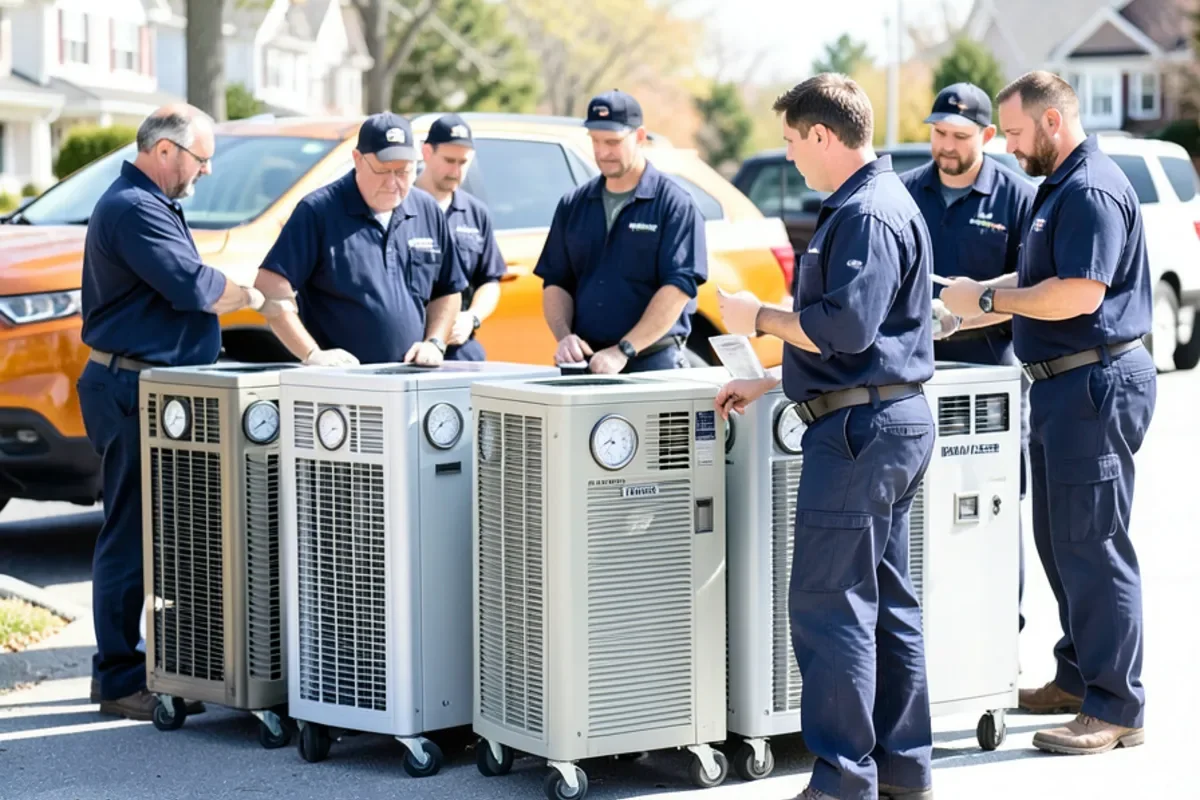
The physical volume of water and the total square footage of affected building materials directly dictate equipment requirements. A water heater leak confined to an unfinished 300-square-foot utility room requires minimal equipment. In contrast, an upstairs bathroom supply line that floods through two finished rowhouse floor levels into a finished basement involves multiple drying chambers, requiring dozens of high-velocity axial air movers and multiple commercial LGR dehumidifiers running continuously.
Primary Cost Driver 3: Equipment Runtime and Monitoring Days
Structural drying is not instantaneous; dense materials like oak subfloors, concrete slabs, and solid brick party walls release moisture slowly. Commercial restoration equipment is typically billed on a daily rental basis under standard industry estimating software (such as Xactimate). A typical structural drying project requires 3 to 5 continuous days of operation. Technicians conduct daily psychrometric inspections calculating grains per pound (GPP) of moisture in the air and taking depth readings with penetration probe meters to monitor drying progress, de-escalating and removing equipment the moment baseline dry standards are reached.
Hidden Cost Variables in Older Baltimore Architecture
The age of a Baltimore home significantly influences restoration labor and disposal costs. Homes built before 1978—including virtually all historic brick rowhouses in Canton, Bolton Hill, Hampden, and Rodgers Forge—are subject to the Maryland Lead Poisoning Prevention Program (Environment Article § 6-801) and EPA RRP lead-safe regulations. When flood cuts or drywall tear-outs disturb painted surfaces containing lead, technicians must erect airtight plastic containment barriers, utilize HEPA-shrouded cutting tools, and perform HEPA vacuuming, which adds specialized containment labor costs. Furthermore, older homes with horsehair plaster and wooden lathe take substantially more manual labor and disposal tonnage to demolish than modern 1/2-inch drywall sheets. Subterranean stone rubble foundations also weep moisture under hydrostatic head pressure, requiring extended dehumidifier runtimes compared to modern poured concrete basements.
Mitigation vs. Reconstruction: Understanding the Two Phases
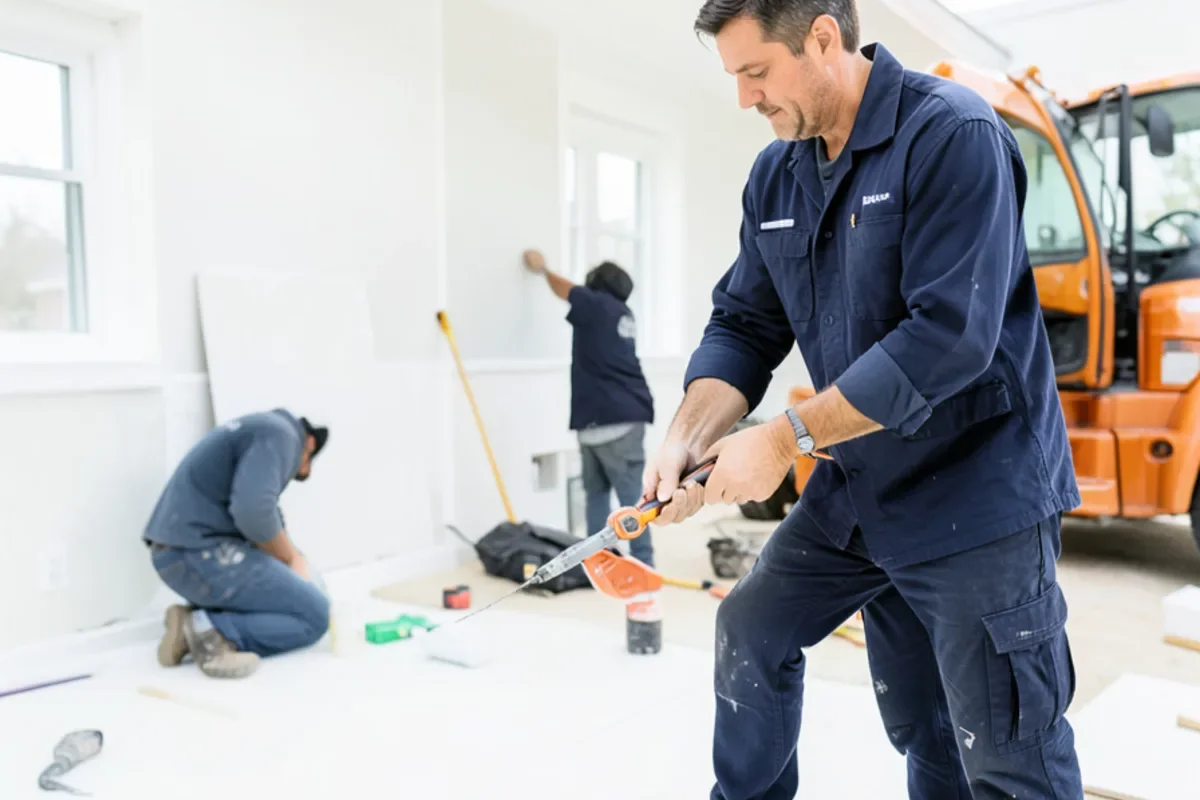
Homeowners should understand that water damage restoration consists of two separate phases with separate billing scopes. Phase 1 is emergency mitigation: emergency extraction, controlled demolition of wet drywall, antimicrobial application, and structural dehumidification. Phase 2 is reconstruction: hanging new drywall, painting, reinstalling baseboards, and laying new flooring. In Maryland, structural rebuilding must be executed by an MHIC-licensed contractor and is estimated separately from emergency mitigation.
Baltimore Water Damage Restoration Cost Breakdown by Loss Type
| Loss Scenario | Contamination Level | Typical Baltimore Cost Range | Key Cost Drivers |
|---|---|---|---|
| Minor Clean Water Leak | Category 1 (Clean) | $750 – $1,800 | Single room, extraction, in-place drying, minimal drywall removal |
| Finished Basement Sump Overflow | Category 2 (Gray) | $1,800 – $3,500 | Carpet pad removal, flood cuts on drywall, LGR dehumidifier rental |
| Burst Pipe Multi-Floor Cascade | Category 1 to 2 | $2,500 – $5,500 | Multi-level extraction, ceiling removal, hardwood floor rescue mats |
| Sanitary Basement Sewer Backup | Category 3 (Black) | $3,000 – $7,000+ | Full PPE biohazard protocol, porous gut-out, HEPA air scrubbing, disinfection |
When comparing contractor estimates, ensure the provider uses Xactimate—the standard pricing software utilized by 90% of insurance carriers in Maryland. When restoration scopes match standard regional Xactimate price guidelines, insurance adjusters approve line-item invoices without prolonged coverage disputes.
Our guides and technical overviews cite official state licensing boards, regional public works departments, environmental agencies, and industry standards:
Frequently Asked Questions: Water Damage Restoration Cost in Baltimore: What Drives the Price
Specific answers and technical considerations drawn from this guide.
Commercial LGR dehumidifiers and air movers represent heavy capital investments. Billing on a 24-hour equipment rental basis allows insurance adjusters to verify that machinery was deployed only for the exact duration required to achieve structural dry standards.
Questions About an Active Leak or Basement Flood?
Speak with our Baltimore emergency dispatch team. Call (702) 478-1007 to connect with an independent local pro.