Fire Damage Cleanup in Maryland: Smoke, Soot and What Insurance Pays
Fire damage cleanup in Maryland encompasses emergency board-up, firefighting water extraction, soot removal, and smoke odor deodorization. Standard Maryland homeowners insurance covers both direct fire damage and secondary smoke and water damage. Policyholders should immediately secure the structure, retain an inventory of destroyed contents, avoid touching acidic soot, and contact a certified restoration coordinator at (702) 478-1007 to document the loss before cleaning begins.
The Three Compounding Layers of a Residential Fire Loss
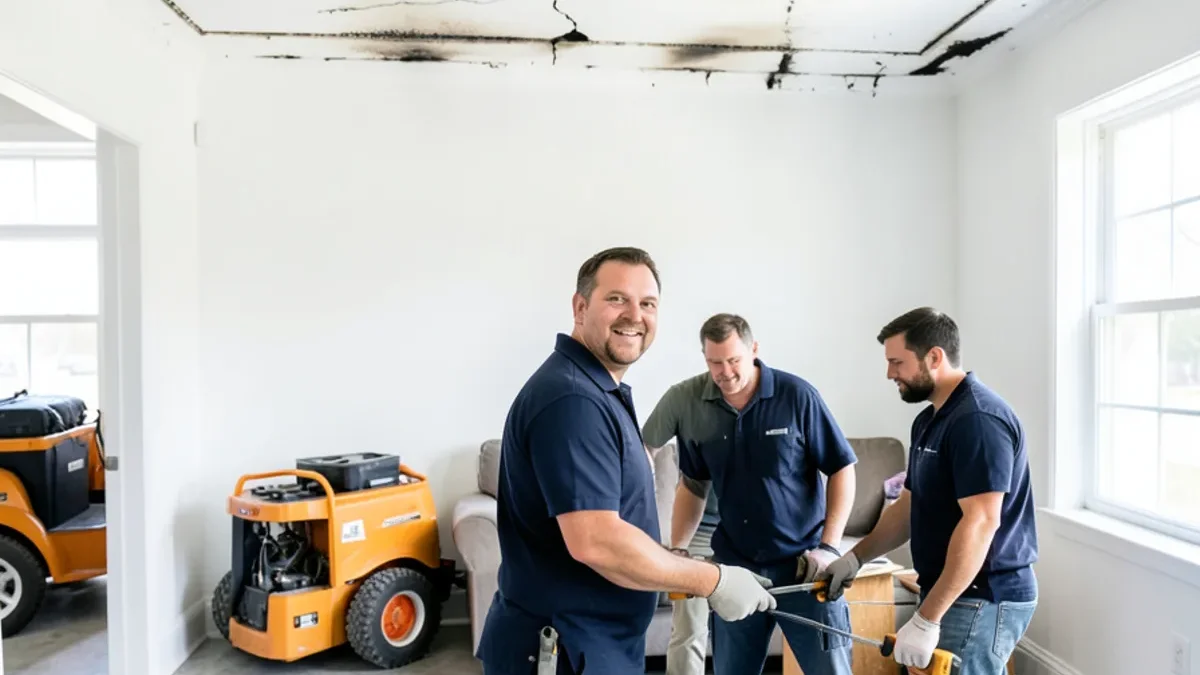
A residential fire loss involves three simultaneous damage types. Direct heat and flames consume structural framing, drywall, and personal contents. Acidic smoke and soot particles disperse through atmospheric pressure, coating every surface in corrosive chemical residues that permanently pit metal fixtures and stain porcelain within 72 hours. Finally, firefighting operations pump thousands of gallons of water into the home, resulting in standing basement water and saturated ceilings that convert a fire loss into a severe water damage and mold emergency within 24 to 48 hours.
Understanding Corrosive Soot Types and Cleaning Methods
Restoration professionals categorize soot into three primary types based on fuel source and combustion temperature. Wet smoke results from slow, smoldering low-heat fires burning plastics and rubber; it is sticky, greasy, and emits pungent odors. Dry smoke results from fast-burning, high-temperature wood or paper fires, producing powdery, dry residues. Protein smoke results from kitchen grease or food fires; it is nearly invisible but discolors finishes and leaves intense odors. Using water on wet soot smears residues into painted walls; dry chemical vulcanized sponges and specialized solvents are required to lift residues safely.
Emergency Board-Up and Property Stabilization
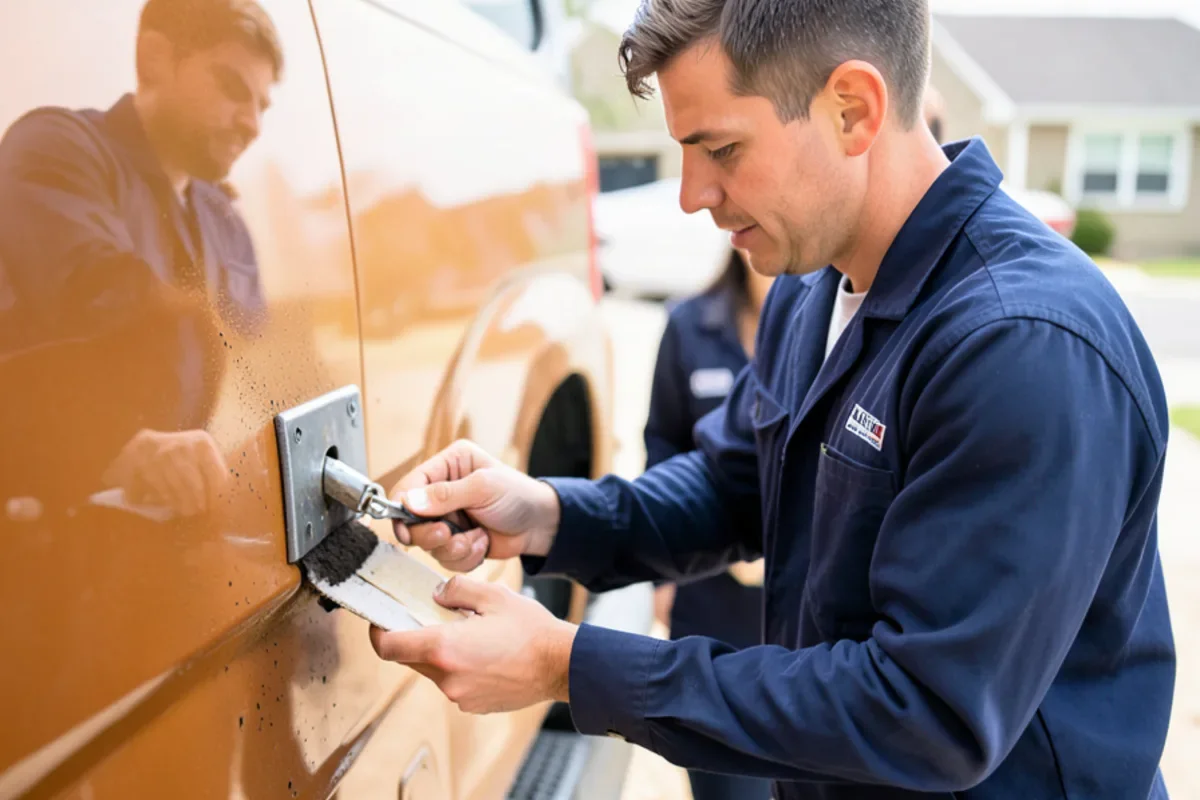
Following a fire, local fire officials will inspect structural stability before releasing the property. Immediately upon release, policyholders must secure the property against unauthorized entry, vandalism, and weather intrusion. Emergency crews arrive 24/7 to install heavy plywood coverings over broken windows, board compromised exterior doors, and anchor heavy-duty woven tarps across damaged roof decking. Boarding the property protects your insurance coverage under policy preservation clauses.
Molecular Deodorization: Neutralizing Deep Smoke Odors
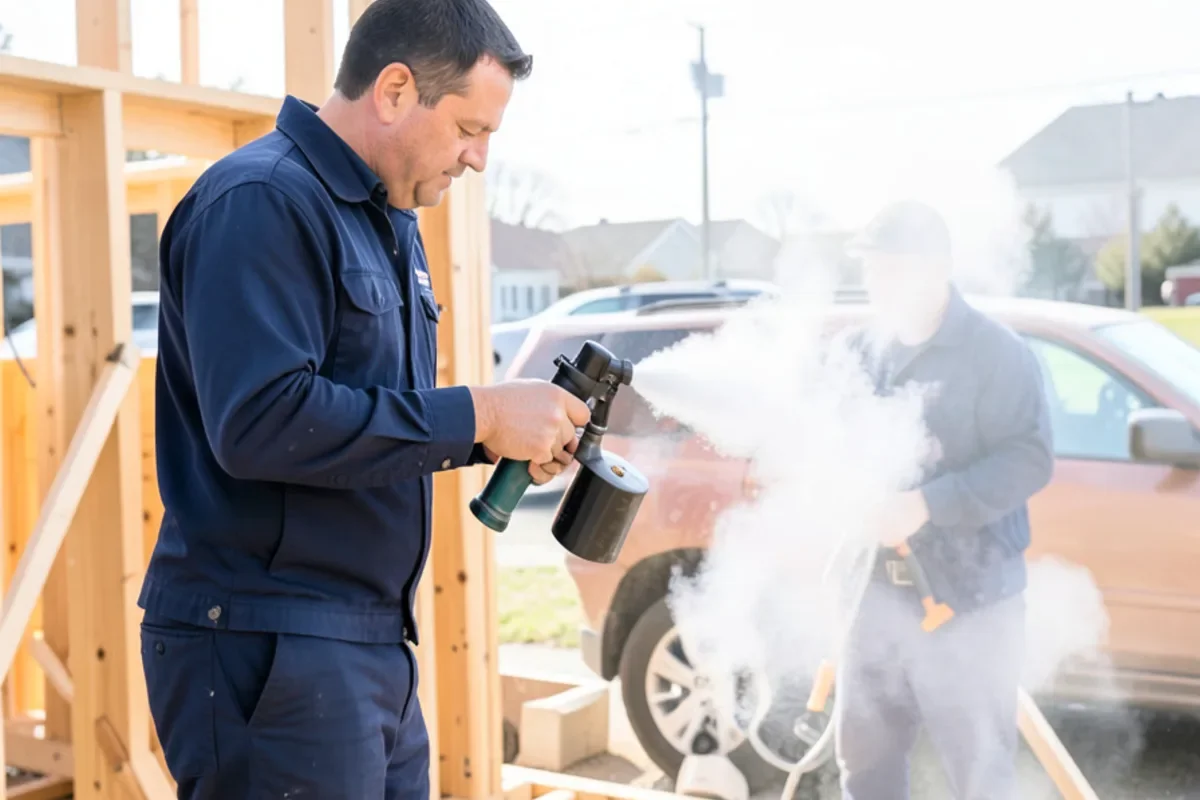
Smoke odors penetrate porous building materials identically to heat and vapor, lodging microscopic odor molecules deep within structural wood framing, concrete, and plaster lathe. Surface cleaning alone cannot eliminate burnt odors. Professional restoration teams deploy thermal foggers that disperse petroleum- or solvent-based neutralizing droplets matching the micron size of smoke particles. Alternatively, hydroxyl generators run continuously to break down odor compounds at the molecular level, followed by applying shellac-based sealant encapsulants over structural framing.
What Maryland Homeowners Insurance Pays During a Fire Claim
Under standard Maryland HO-3 homeowners insurance policies, structural fire damage is a covered peril. The policy covers structural rebuilding (Dwelling Coverage A), personal property replacement (Coverage C), and temporary living costs including hotel stays and food (Loss of Use / Additional Living Expenses Coverage D). Insurance settlements typically distribute funds in two phases: an initial payment based on Actual Cash Value (ACV, which subtracts age depreciation), followed by the release of withheld depreciation (Replacement Cost Value, or RCV) once repairs are verified complete by an MHIC-licensed contractor. Restoration contractors compile comprehensive Xactimate photographic scopes, itemizing every structural element requiring cleaning or replacement to ensure complete insurance settlement.
Contents Pack-Out, Barcoding, and Total Loss Inventory Scopes
Managing personal property following a structural fire requires systematic cataloging to protect insurance payouts. Restoration contractors establish an on-site pack-out operation, digitally photographing and barcoding every salvageable and non-salvageable item. Salvageable items (such as non-porous kitchenware, artwork, electronics, and solid wood furnishings) are carefully wrapped and transported to secure, climate-controlled restoration facilities for ultrasonic washing, hand cleaning, and ozone deodorization. For destroyed or unsalvageable property, technicians compile a detailed 'Total Loss Inventory' recording item descriptions, brand names, model numbers, ages, and replacement costs formatted for immediate review by your insurance carrier's personal property adjuster.
Soot Residue Characteristics and Decontamination Approaches
| Soot Classification | Fuel / Fire Source | Residue Characteristics | Cleaning Methodology |
|---|---|---|---|
| Dry Smoke Soot | Paper, dry wood framing, cardboard | Powdery, dry, non-smeary particles | HEPA vacuuming and dry chemical vulcanized rubber sponges |
| Wet Smoke Soot | Plastics, synthetic carpets, foam upholstery | Greasy, sticky, dense black residue with strong odor | Solvent wipe-downs, degreasing agents, and media blasting |
| Protein Residue | Kitchen grease, meats, cooking oils | Nearly invisible, yellowish film, highly pungent | Specialized enzymatic and alkaline detergent scrubbing |
| Firefighting Water | Municipal fire hose water discharge | Category 2 standing water with soot sediment | Submersible pumping, truck extraction, and mechanical dehumidification |
In interconnected Baltimore rowhouse blocks, a fire in one unit frequently pushes acrid smoke through common attic party-wall gaps and continuous roof eaves into neighboring properties. Neighboring homeowners should immediately inspect their attics and HVAC filters for soot deposits and file a precautionary claim with their insurance carrier.
Our guides and technical overviews cite official state licensing boards, regional public works departments, environmental agencies, and industry standards:
Frequently Asked Questions: Fire Damage Cleanup in Maryland: Smoke, Soot and What Insurance Pays
Specific answers and technical considerations drawn from this guide.
Yes. Specialized textile restoration facilities use ozone chambers and high-tech hydro-cleaning washing machines with specialized chemical neutralizing detergents to restore smoke-damaged garments and fabrics.
Questions About an Active Leak or Basement Flood?
Speak with our Baltimore emergency dispatch team. Call (702) 478-1007 to connect with an independent local pro.